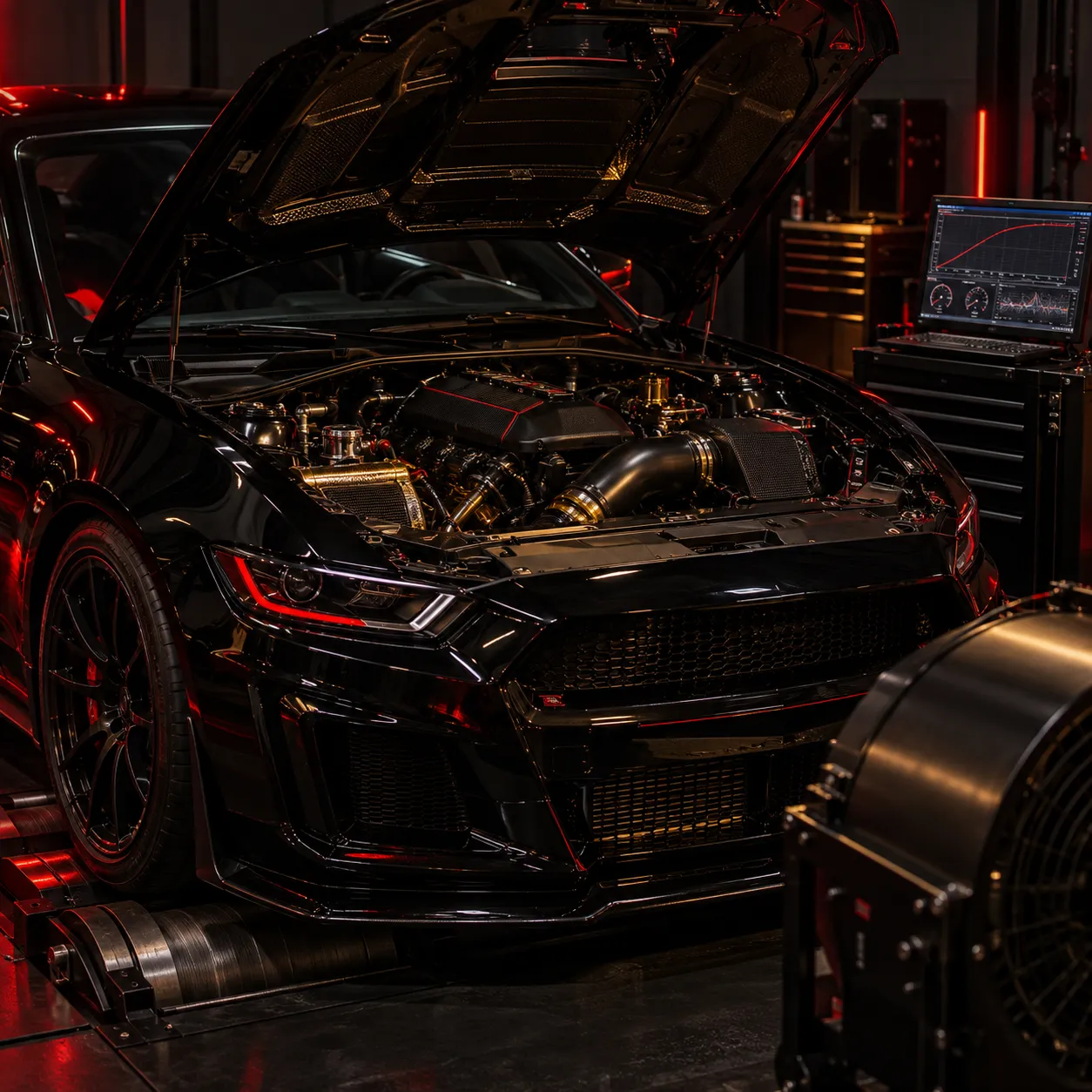
If you’ve put a cam, headers, an intake or a supercharger on your car, you’ve probably heard that it “needs a tune.” But what does that actually mean, and what happens when a car gets tuned? Here’s a plain-English look at ECU tuning from the team at Outlaw Performance Engineering in Tabor City, NC.
What is an ECU?
The ECU (engine control unit, sometimes called the PCM) is the computer that runs your engine. It reads sensors for airflow, throttle position, engine speed, temperature and oxygen in the exhaust, then decides how much fuel to inject, when to fire the spark plugs and, on many cars, when the transmission shifts.
From the factory, those decisions are made for a stock engine, average fuel, emissions rules and every kind of driver. They’re built to be safe and predictable, not to get the most out of your combination.
What does ECU tuning do?
ECU tuning means adjusting the calibration inside that computer so it matches your car as it actually sits today. A good tune looks at:
- Fueling so the engine gets the right air-to-fuel ratio at idle, cruise and full throttle.
- Ignition timing so the engine makes power without detonation.
- Drivability: idle quality, cold starts and part-throttle behavior, so the car is still pleasant to drive every day.
- Wide open throttle calibration, where the real power is made.
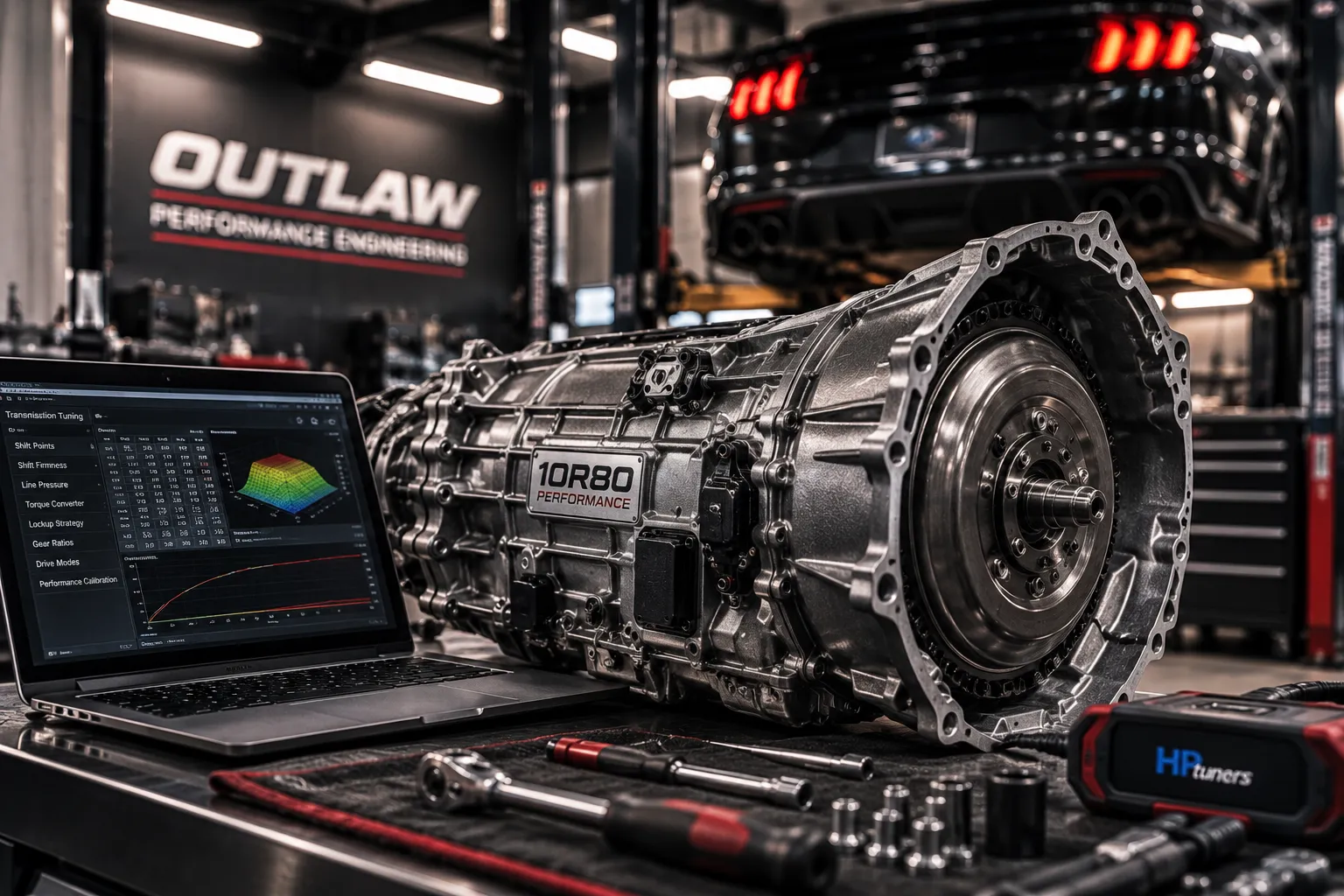
- Transmission behavior on many automatics, including shift points and firmness.
Do I need a tune after adding parts?
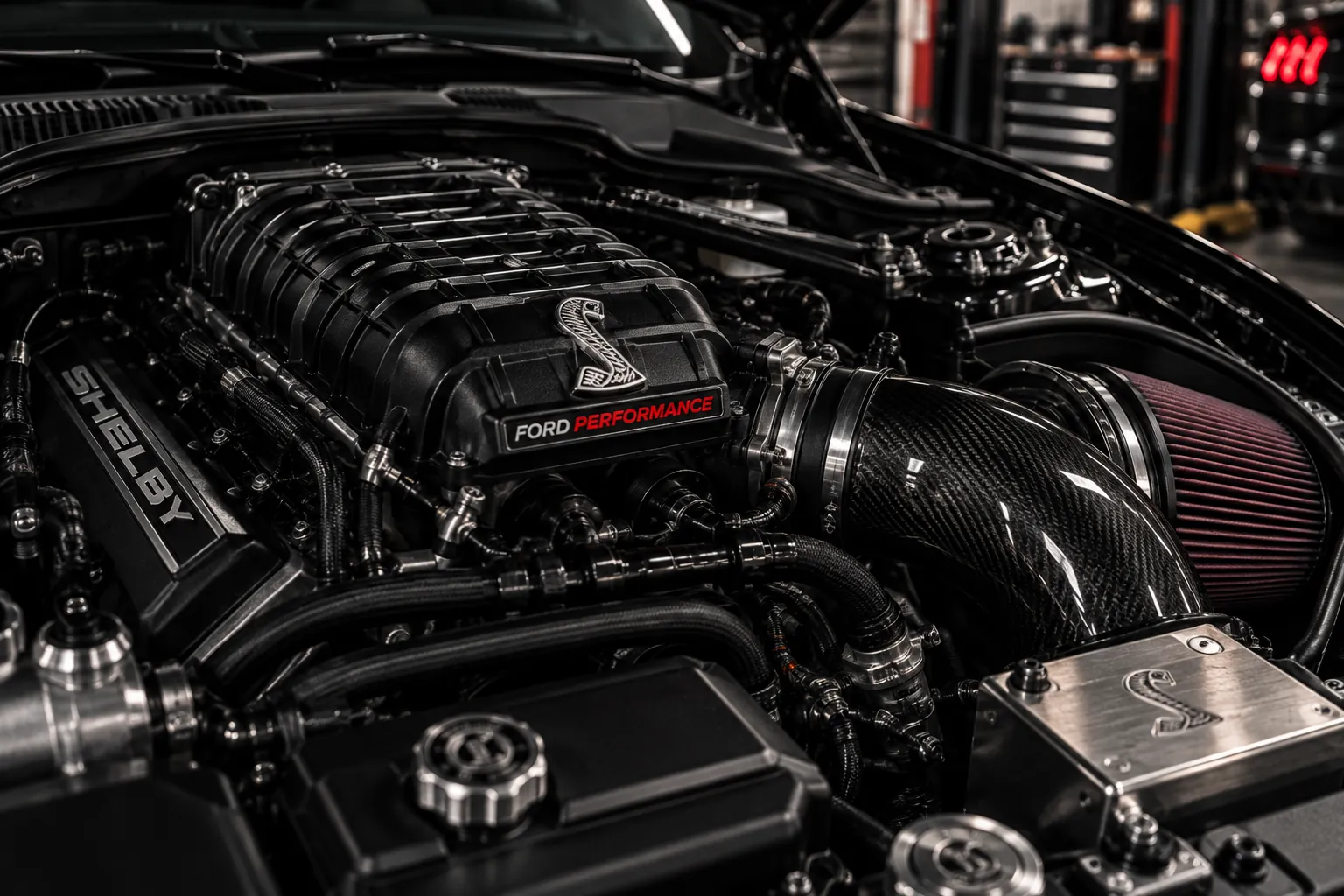
Usually, yes. Bolt-on parts change how much air the engine moves. A camshaft changes idle and low-speed airflow. Headers and exhaust change how the engine breathes. A supercharger, turbo or nitrous changes everything. The stock calibration doesn’t know any of that happened, so the car can run lean or rich, idle poorly, throw codes or leave power on the table. A tune lets the computer catch up to the hardware.
How does a tune work at our shop?
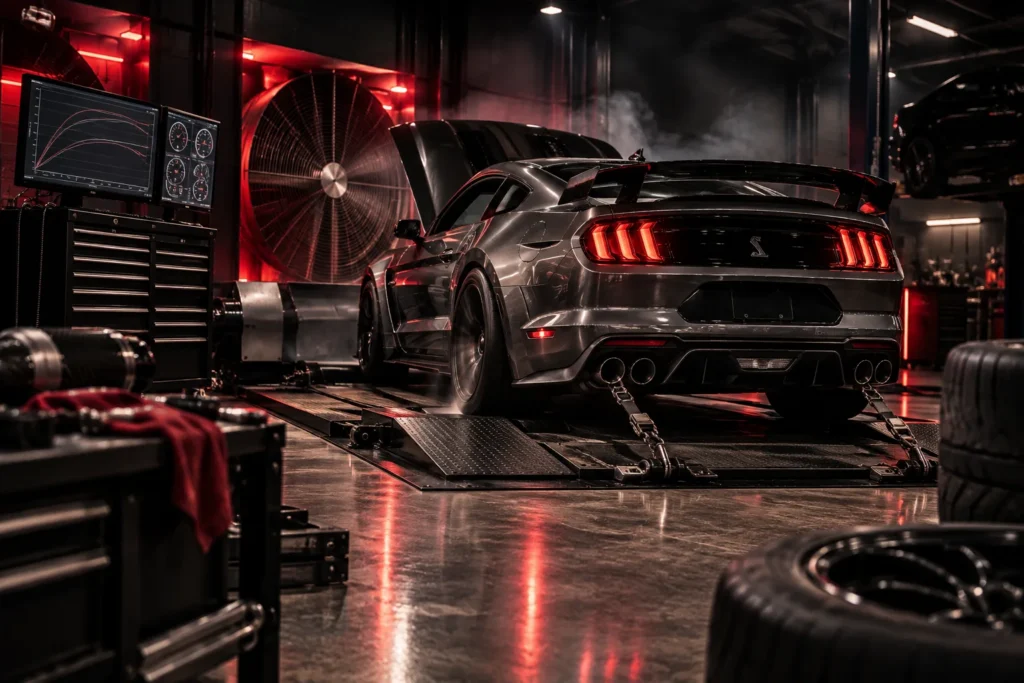
Every in person tune starts with an evaluation of the vehicle and a pre tune datalog, so we know exactly what we’re working with before making changes, especially if the car has been tuned before. From there we work through fueling, drivability and part throttle before moving into wide open throttle. A straightforward combination may take around two hours, while a more involved setup can take six hours or longer.
Not local? Remote tuning works by email. You send datalogs from your car, we build and refine the calibration, and you load it yourself, wherever you are in the country.
Which cars do you tune?
We focus on GM LS and LT platforms (Corvette, Camaro, trucks and swaps), Ford Coyote Mustangs, and Dodge. That includes naturally aspirated builds, supercharger, turbo and nitrous tuning, and transmission tuning for GM, Ford and Dodge.
How much does ECU tuning cost?
Current pricing at Outlaw Performance Engineering:
- In person tuning: $450 at the shop
- Remote tuning: $400, plus $100 for a supercharger, turbo or nitrous
- Track side tuning: $400
- Tune revisions: $150 basic, $250 major
See every rate on our packages and pricing page.
Ready to get your car tuned?
All work is by appointment, Monday to Saturday, at our shop in Tabor City, NC, with drivers coming in from Myrtle Beach, Conway, Wilmington, Charleston and beyond. Call (910) 363-7467 or send us a message to set up your tune.